Discover Anatomy & Physiology
Grade Level: 9th – 12th | Ages: 14+
Discover Anatomy & Physiology (Level C) combines engaging video lessons, guided labs & dissections, and structured assignments to help students explore the structure and function of the human body while building strong critical thinking and lab-reporting skills.
Every concept is taught from a Christian worldview, guiding students to see God’s intentional design in the complexity and coordination of the human body.
Full-year course: $279

✔️ Video Lessons
✔️ Lab Assignments
✔️ Quizzes & Exams
✔️ Reading Assignments
Everything your student needs for a complete digital science course
· 35 weeks of engaging video lessons (2 lessons per week)
· Student Guidebook (PDF) with fill-in lesson outlines for note-taking**
· Weekly research questions to deepen understanding
· Weekly comprehension quizzes
· Quarterly examinations to assess mastery
· Course Guide (PDF) for parents
· Lab Manual (PDF) with weekly lab experiments and activities**
· Lab demonstration videos accompanying labs that require specialty supplies
· Reading assignments (optional) from our recommended textbook Essentials of Anatomy & Physiology or alternative reading lists for several other textbooks.
· Certificate of completion
· 12 months of access — start anytime after purchase
**All course materials are provided as downloadable PDF files for the first year of this course. Printed versions will not be available until the following school year.
Lab supplies (purchased separately)
Laboratory assignments use a combination of specialty and household supplies. You may purchase a complete lab kit or purchase supplies a la carte based on the labs you plan to complete. See full list of lab supplies here.
On a tight budget? No problem—each lab that requires specialty supplies includes a lab demonstration video, allowing your student to fully participate and complete the assignment without purchasing additional materials.
Scope & Sequence
This high school honors anatomy and physiology course introduces students to the structure and functions of the human body, from cells and tissues to each of the 11 major body systems. With an emphasis on how these systems work together to maintain homeostasis, students will discover how the body responds to challenges and supports everyday life. Through engaging video lessons, diagrams, and hands-on activities, they’ll gain a solid foundation in anatomy and physiology that prepares them for future studies in advanced biology, health, or medical-related fields and deepens their awe for God’s incredible design.
Lesson 1: Meet the Human Body
· What anatomy and physiology are—and how they work together
· Levels of organization in the human body, from cells to systems
· Introduction to anatomical terms, positions, and body planes
Lesson 2: The Cell: Building Blocks of Life
· The structure and function of the cell and its parts
· Roles of key organelles
· How the plasma membrane regulates what enters and exits the cell
· Homeostasis and feedback loops
Lesson 3: The Blueprint of Life: Protein Synthesis & The Cell Cycle
· The structure and function of DNA
· DNA Replication
· Stages of the cell cycle
· Protein synthesis: transcription and translation
Lesson 4: The Body’s Living Framework
· How cells join together to form tissues
· The four main tissue types in the human body
· Structure and function of epithelial, connective, muscle, and nervous tissues
· The role of membranes in protection and support
Lesson 5: The Integumentary System: The Body’s First Defense
· The structure and function of the skin’s layers
· The roles of keratinocytes and melanocytes
· Accessory structures—hair, nails, and glands—and their unique functions
· How sensory receptors connect the skin to the nervous system
Lesson 6: The Skeletal System: Support from the Inside Out
· The functions of the skeletal system
· Organization of the skeleton: axial vs. appendicular
· Types of bones and their roles in the body
· Gross and microscopic anatomy of a long bone
· The role of bone marrow and bone cells in maintaining bone health
Lesson 7: The Skeletal System: Growth, Repair, & Movement
· How bones develop and grow throughout life
· The role of growth plates and hormones in bone lengthening
· Bone remodeling and repair
· The anatomy and types of joints
Lesson 8: Exam 1
Lesson 9: The Muscular System: Designed For Motion
· The functions of the muscular system
· Three types of muscle tissue and their shared and unique characteristics
· The structure of skeletal muscle fibers and how they contract
· How skeletal muscles are named
· Basic movement vocabulary
Lesson 10: The Muscular System: Power That Lasts
· How nerves signal muscles to contract
· The sliding filament theory: actin, myosin, calcium, and ATP
· Energy systems for muscle contraction and why fatigue happens
· Fast-twitch vs. slow-twitch fibers: built for power or endurance
Lesson 11: The Muscular System: Mechanics in Motion
· How muscles attach to bones: origins, insertions, and tendons
· Why muscles pull (not push) and how opposing pairs create balance
· Lever systems: how bones, joints, and muscles generate movement
· Roles of agonists, antagonists, synergists, and stabilizers
Lesson 12: The Nervous System: Wired for Action
· The central and peripheral nervous systems
· The sensory–integration–motor pathway
· Somatic (voluntary) vs. autonomic (involuntary) control
· The structure and function of neurons and glial cells
Lesson 13: The Central Nervous System: The Control Center
· The brain’s regions and their specialized functions
· Structures that support brain complexity: gyri, sulci, fissures, arbor vitae
· The spinal cord: structure, communication, and the reflex arc
· Spinal nerves and dermatomes
· How the brain and spinal cord are protected
Lesson 14: The Peripheral Nervous System: The Nerve Network
· Cranial nerves and their roles
· How spinal nerves form plexuses and connect the body
· The somatic nervous system and proprioception
· The autonomic nervous system: sympathetic vs. parasympathetic control
Lesson 15: The Wonder of the Senses
· How the body gathers and interprets sensory information
· General senses: touch, temperature, pain, and sensory adaptation
· Special senses: sight, hearing, balance, smell, and taste
· How eyes and ears translate stimuli into signals
· What happens when sensory systems fail
Lesson 16: The Endocrine System: Chemical Commands
· How hormones regulate body functions and maintain balance
· The role of the hypothalamus and pituitary gland
· How hormones travel and bind to target cells
· Major endocrine glands and their key hormones
Lesson 17: Exam 2
Lesson 18: The Cardiovascular System: Powered by the Heart
· Functions of the cardiovascular system: transport, regulation, protection
· Heart structure: chambers, valves, layers, and vessels
· The design and function of cardiac muscle
· Blood flow through pulmonary and systemic circuits
· Common structural disorders of the heart
Lesson 19: The Cardiovascular System: Keeping the Beat
· The cardiac cycle: systole and diastole
· The heart’s electrical conduction system
· Heart sounds and basics of an EKG
· How heart rate and vessel tone adjust to body demands
Lesson 20: The Cardiovascular System: Blood & Vessels
· What blood is made of and what each part does
· How blood clots to prevent loss
· Blood vessel structure and function
· What blood pressure is and factors that influences it
· Vascular health disorders and lifestyle influences
Lesson 21: The Respiratory System: Breath of Life
· The primary functions of the respiratory system: oxygen in, carbon dioxide out
· The structures of the upper and lower respiratory tracts and the path of a breath
· How the diaphragm and intercostal muscles use pressure changes to move air
· The design of the lungs: bronchial tree, pleura, alveoli, and surfactant
· Introductory respiratory disorders
Lesson 22: The Respiratory System: Fueling Cells with Oxygen
· How gas exchange occurs in the alveoli and capillaries (external respiration)
· Oxygen transport by hemoglobin and delivery to body tissues (internal respiration)
· Aerobic cellular respiration in the mitochondria
· Carbon dioxide as a normal waste product and breathing regulator
· How the respiratory, cardiovascular, and cellular systems work together
Lesson 23: The Lymphatic & Immune System: Transport, Balance, & Defense
· Structure and functions of the lymphatic system
· Lymph vessels, nodes, and organs
· Fluid balance and tissue drainage
· How lymphatic structures support immune defense
Lesson 24: The Lymphatic & Immune System: Innate Defense
· The body’s first lines of defense against pathogens
· Surface membrane barriers and antimicrobial defenses
· Inflammation, fever, and phagocytosis
· Innate immune cells and nonspecific immune responses
Lesson 25: The Lymphatic & Immune System: Adaptive Defense & Memory
· Adaptive immunity and immune specificity
· The roles of B cells, T cells, and antibodies
· Active vs. passive immunity and immune memory
· Cell-mediated immune responses
Lesson 26: Exam 3
Lesson 27: The Digestive System: Anatomy & Mechanics
· The functions of the digestive system
· The organs of the digestive tract and accessory organs
· Mechanical digestion and movement of food through the digestive tract
· Peristalsis and segmentation and their roles in digestion
Lesson 28: The Digestive System: Absorption & Regulation
· Digestive enzymes, secretions, and pH regulation
· Nutrient absorption in the small intestine
· The roles of the liver, gallbladder, and pancreas in digestion
· The gut microbiome and its influence on digestive health
· Introductory digestive disorders and lifestyle influences
Lesson 29: The Urinary System: Filtering for Balance
· The functions of the urinary system
· Kidney structure and nephron function
· How blood is filtered and urine is formed
· The role of the urinary system in homeostasis
Lesson 30: The Urinary System: Fluid, Electrolytes, & pH
· How the kidneys regulate water balance
· Electrolyte and acid–base regulation
· Hormonal control of urine production
· Common urinary system disorders
Lesson 31: The Reproductive System: Structure & Function
· The primary functions of the reproductive system
· Male and female reproductive anatomy
· Hormonal regulation of reproduction
· How the reproductive system connects to overall physiology
Lesson 32: Human Development Across the Lifespan
· Fertilization and early development
· Embryonic and fetal stages
· How body systems form and specialize
· Growth and development from infancy through adolescence
Lesson 33: Genetics, Inheritance, & the Continuity of Life
· How genes influence human structure and function
· Basic patterns of inheritance and genetic variation
· How genes influence traits and development
· Genetic mutations and their effects on body systems
Lesson 34: The Body in Balance: Systems Working Together
· How multiple body systems respond to changing internal and external conditions
· Feedback mechanisms that maintain stability in the body
· Integrated responses to exercise, stress, and illness
Lesson 35: Exam 4
Full-year course: $279
· Pay in full or in 3 monthly installments.
· Generous multi-student discounts available for families with Level B & C students taking the same course in the same year.
· Educational Savings Accounts (ESA) available in many states. Learn more.
Trusted by more than 18,000 homeschool families worldwide
See why so many parents choose Journey Homeschool Academy for hands-on, faith-based science.
I so appreciate the perfect blend of faith and science in this course.
The Gilkerons have a logical, faith-based approach to creation. They don’t try to make it preachy like some Christian curricula, but maintain a high-standard for science academics. I love that my children have their faith and beliefs validated and enhanced while still getting high-quality academics.
After completing Experience Biology, I was afraid that Experience Chemistry would be boring and the concepts difficult to understand.
But Experience Chemistry had all the tools I needed to be successful. It has videos that helped me feel connected to the teacher, reading that reinforced what I was learning, and homework questions that challenge me to apply what I’d learned. I also loved how the lessons applied science to real world examples!
I hated the idea of my daughter doing work alone— simply handing her a boring textbook for biology...
...but it’s difficult for me to do any school with my daughter since she has 3 younger siblings that need help and I work from home. We hadn’t used any online courses, so I was concerned online biology would be boring for my daughter. Experience Biology has such engaging lesson videos and the labs are interesting. So even though she’s done the course alone, it’s been a lot of fun!
The course is rigorous enough I feel my daughter is getting a strong introduction to Biology but has enough wiggle room that if she misses a day, she can easily combine days and catch up.
My daughter had taken Experience Astronomy and loved it, so we were excited to continue with Biology!
She loves learning from your videos because they’re both informative and fun. The videos offer so much more than books alone can do. We’re hopeful you’ll make more classes for her high school years.
The thought of taking Physics was daunting!
When we started homeschooling, I never dreamed I would have a child that would take high school physics, let alone attempt it at home. My strengths are not in math & science. Thanks to Journey Homeschool Academy, advanced high school science classes have been a positive experience for us! I have confidence my son will be graduating from high school with a quality, rigorous science foundation and will be well prepared for post-secondary education.
I needed a cost-effective curriculum that was God-centered, interactive, and kept my son enthusiastic about learning...
I love having teachers that keep my son accountable — Luke and Trisha are personable, professional, love the Lord, and have a passion for what they teach. We love the vivid videos filled with real examples of life forms. The science experiments are professional, but not intimidating. My son is thriving in the course.
You’ve got questions… we’ve got answers
What is covered in the course?
Great question! Check out the Preview Anatomy & Physiology Scope and Sequence here for an overview of the topics we cover in this course.
What’s included in my purchase?
You’ll have access to all lesson and lab videos along with PDF downloads of the student guidebook, lab guide, curriculum guide, answer keys, and sample lab reports.
It is highly recommended that you purchase the textbook Essentials of Anatomy & Physiology.
You will also be responsible for purchasing lab supplies for any labs you’d like your student to complete.
When does the course begin?
All of our courses are self-paced. Because Discover Anatomy & Physiology is a brand new course, student access will be available after August 1. Once available, you may begin at any time, and your student will have one year of access from the date you start the course.
How long will I have access to this course?
You’ll have access to the course for one year of access — you decide when your student begins the course. There are 35 weekly lessons, so that should provide ample time for your student to complete the course. Once each video is live, your student can watch and re-watch it anytime they would like to throughout the duration of the course.
Does my child have to view the course videos on specific days or times?
No, students can watch the lessons any time throughout the week. Once released, each video can be reviewed as many times as the student wants through the end of the course.
Can my student earn high school credit for this course?
In most states, students need to accumulate at least 120 hours of instruction and course work to receive a high school credit.
Discover Anatomy & Physiology can be recorded as an honors level lab-science on your student’s high school transcript. We recommend your student complete all of the following to accumulate the necessary course hours for high school credit:
• complete all the course lectures
• take all the quizzes and exams
• complete recommended readings
• watch laboratory videos and complete a minimum of 15 lab assignments
How you use this course and the resources available is ultimately up to you, the parent, as this is a homeschool course.
Can I enroll more than one student in this course at the same time?
In the upper level course, each student receives their own grade, online portal, and auto-graded quiz so each student should enroll separately. We do offer generous multi-student discounts for families enrolling more than one student in the class at the same time.
Can we use a different textbook for this course?
We believe parents are best equipped to determine their student’s educational needs. As a homeschool course, you’re welcome to choose whatever textbook you’d prefer for your student to use or omit textbook reading altogether. For most students, anytime they can use multiple modes of learning, it helps them retain information better.
After reviewing many, many textbooks we chose Essentials of Anatomy & Physiology because we believe it does an excellent job of reinforcing the concepts students are learning in the lectures. We provide recommended reading from Essentials of Anatomy & Physiology.
We have also created alternative reading schedules to accompany several other commonly used textbooks by homeschoolers. While we cannot vouch for every detail in these textbooks, the reading lists provided here generally overlap with what is covered in each of the lessons in the course.
How long do students have to complete individual lessons?
We recommend students plan to complete one lesson per week to finish the course during a typical school year. Once your student begins the course they will receive access to the next lesson within 1-2 hours of completing the current lesson. This allows you the flexibility to work ahead if needed to account for vacations or time off while still finishing the course in the typical timeframe. Students will have a full calendar year to complete the course, so if they fall a week or two behind, they should still have plenty of time to complete the course.
Can I take this course if I live outside the U.S.?
You sure can! We’ve made sure to make the lessons applicable to those worldwide.
What additional books or supplies will I need for this course?
Students will need a number of different supplies to complete the laboratory work. See the complete lab supply list here.
A compound microscope is highly recommended, however, if it’s cost-prohibitive we will make images available online for students to use in lieu of looking at organisms under the microscope. Please keep in mind, this is not ideal because an important part of taking a lab biology course is learning how to use a microscope.
It is highly recommended, though not required, that you purchase the textbook Essentials of Anatomy & Physiology. While this is our preferred textbook for the class, we’ve also included reading lists for several other textbooks, or you may omit textbook reading.
A pdf download of the Student Guidebook and Lab Guide are available as part of the course purchase.
Can I pay for this course with my Educational Savings Account (ESA)?
We are an approved vendor with several ESAs and are continuing to add to the list all the time! We’re happy to provide you with invoices or other information you need to submit to your ESA. You can see all the ESAs we’re currently approved vendors with and/or submit a request for us to apply to the ESA in your state.
What is your refund policy?
We offer a 100% money-back, happiness guarantee within 30 days of the course start date OR 6 months from purchase date (whichever isless). Simply email us and we’ll give you a full refund.
Understanding the Fabulous Fit Promise
We want this course to be a fabulous fit for your family. Based on our parent and student feedback, we think you will be.
However, we offer a 100% money-back, happiness guarantee within 30 days of the course start date OR 6 months from purchase date (whichever is less).
Course Features
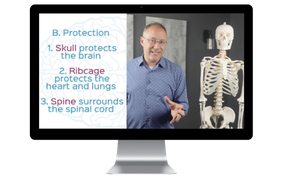
Two engaging video lessons for every weekly module to help your child understand new and exciting concepts without feeling overwhelmed.
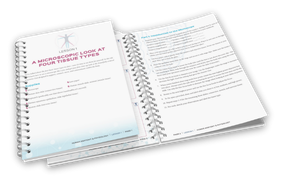
Carefully planned lab work with printable PDF lab guides and corresponding lab video lessons throughout the year.
Online, graded quizzes and exams, so you can take a break from correcting your child’s work.
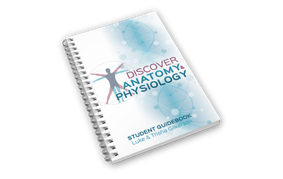
Printable curriculum guide to help you and your student understand how the course works.
Homework questions to help your student delve deeper into some of the rich concepts covered in this course.
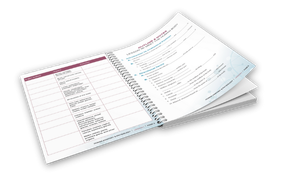
Lesson outlines (PDF) to help your student grasp important concepts, learn new terms, and help with note taking.
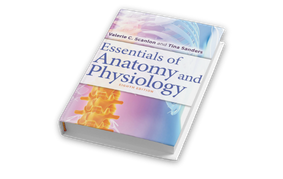
Optional reading assignments that will help your student further their understanding of the course material.
Certificate of completion for a job well done when the course is completed.
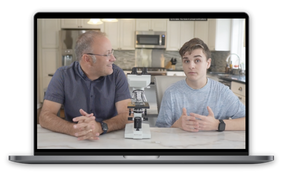
Lab demonstration videos allow students to follow along even if they don’t have every supply on hand.
Still deciding? Explore your options.
Choose the next step that fits your student best.
Explore living systems—from cells and genetics to ecosystems—through hands-on labs and real-world connections.
Discover how matter works through reactions, experiments, and the building blocks that shape the world around us.
Uncover the laws that govern motion, energy, and forces through interactive lessons and practical applications.