If your family has been following along with our Bird Friendly Homeschool Yard series, you have already built a strong foundation. You have explored why creating a bird friendly backyard matters, learned the ins and outs of selecting bird feeders, discovered the importance of providing water sources for birds, and even tried your hand at a bird nesting homeschool project.
Now it is time for the next step.
A healthy bird habitat begins with healthy landscaping, which means choosing plants that attract, nourish, and shelter birds year round. That is exactly what we are tackling today.
And the good news? Bird friendly landscaping is one of the easiest and most low maintenance ways to bring science to life in your homeschool. You do not need a green thumb, only a willingness to plant things that actually belong in your area and let nature do the rest.
Let us dig in.
Bird Friendly Landscaping For Your Homeschool Yard
Why Landscaping Matters When You Want More Birds In Your Yard
You can hang feeders, fill birdbaths, and set out nesting boxes, but plants are what truly anchor your backyard habitat. Landscaping with the right species creates year round food sources, safe hiding places, comfortable nesting areas, and a naturally balanced ecosystem.
For homeschool families, this is gold. Your yard becomes part outdoor classroom, part quiet retreat, and part science lab. Kids notice migration patterns, blooming cycles, the insects that depend on your plants, and how birds respond to all of it. And you get to reinforce meaningful observation and hands-on learning without adding more planning to your week.
This approach also supports the kind of real life science exploration that Journey Homeschool Academy builds into its courses. JHA emphasizes vivid visuals, hands-on experiences, and connecting learning to the world right outside your door.
Start With Native Plants
Why Native Plants Matter
Bird friendly landscaping begins with plants that belong in your region. Native plants are perfectly designed to support your local wildlife. They produce the right berries at the right times, host the insects birds rely on, and provide nesting materials that non native plants cannot replicate.
Unlike exotic species, native plants require less watering, less maintenance, and far fewer interventions from you. That means your yard stays bird friendly and your homeschool life stays simple.
Choosing Native Plants in Your Region
Every area of the country has its own plants that support birds best. Here are a few general suggestions to get you started:
- Northeast: serviceberry, red maple, winterberry
- Southeast: magnolia, beautyberry, yaupon holly
- Midwest: coneflower, oak, prairie grasses
- Southwest: sage, mesquite, desert willow
- Pacific Northwest: red flowering currant, vine maple, ferns
For best results, look for regional native plant lists or visit a local native plant nursery.
Create Layers in Your Landscape
A bird friendly yard includes plants of different heights and structures. This creates micro habitats so that more species can thrive.
Tall Trees
Birds rely on tall trees for nesting sites, perches, and safe observation points. Great options include oak, maple, and native fruiting trees. These trees attract woodpeckers, warblers, and countless other species.
Medium Shrubs
Shrubs are crucial shelter for fledglings and adult birds. They offer dense cover, berries, and places to build nests. Popular choices include viburnum, dogwood, and spicebush.
You can tie this to your earlier project by noting that shrubs create ideal spots to complement your bird nesting homeschool project.
Groundcover and Low Layers
Low plants shelter insects, which become natural bird food. They also provide safe foraging areas. Native groundcovers, ferns, and grasses all fit beautifully into a layered habitat.
Plant Berry Producing Shrubs for Year Round Food
Food is one of the easiest ways to attract and keep birds in your yard. Berry bushes are natural food sources that require no refilling and no maintenance once they are established.
Berry Bushes Birds Love
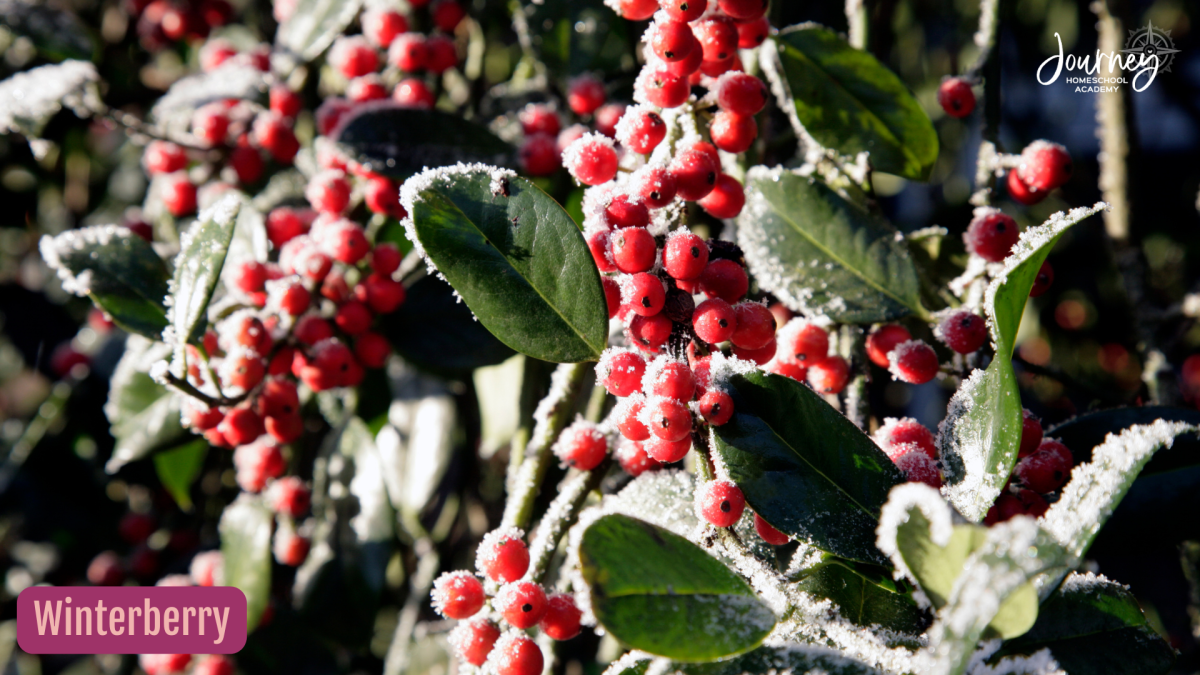
- Winterberry
- Serviceberry
- Elderberry
- Holly
Each shrub produces berries at different times throughout the year. Winterberry is especially valuable because it feeds birds long after colder weather sets in.
Seasonal Food Supports Homeschool Learning
Berry cycles naturally spark lessons about migration, changing seasons, and energy needs. If your kids love nature journaling, this is an easy weekly practice.
Add Nectar Flowers to Support Hummingbirds and Pollinators
Hummingbirds need high energy food sources, and nectar rich flowers give them exactly that.
Easy Nectar Plants
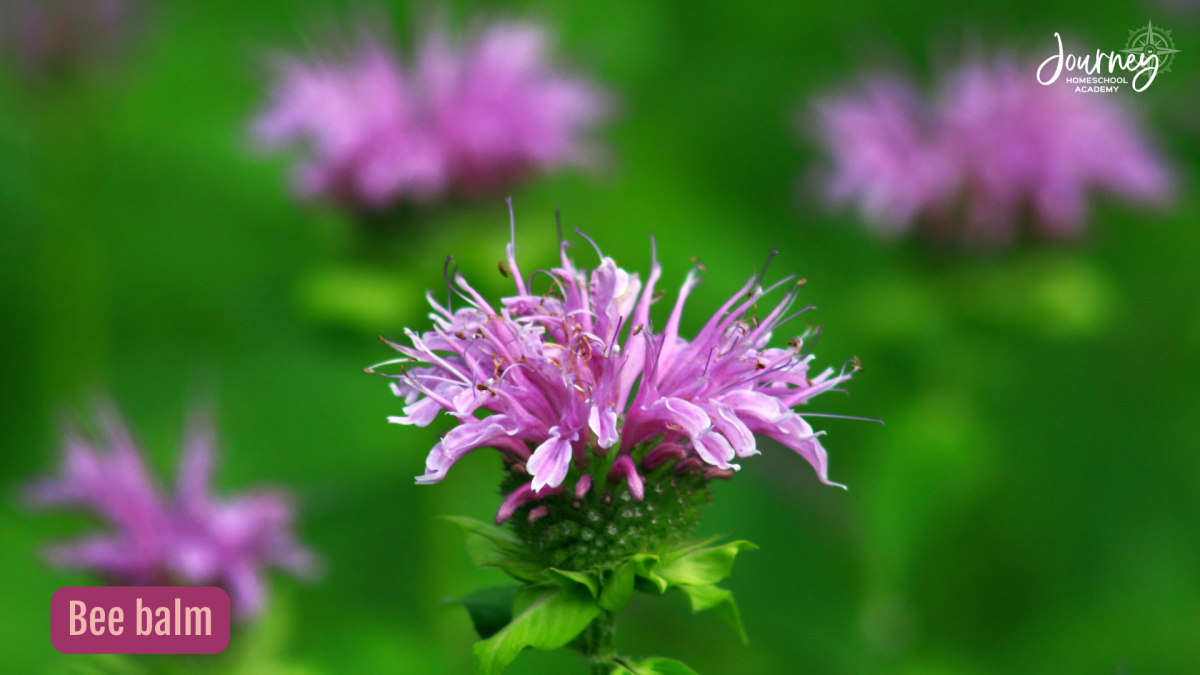
- Bee balm
- Salvia
- Columbine
These flowers grow easily in most climates and attract a parade of hummingbirds, bees, and butterflies all season long.
Why Nectar Plants Matter
Nectar flowers help entire ecosystems thrive. They bring in pollinators that keep your plants blooming and fruiting. If your family already installed a water source using the tips in Providing Water for Birds, your yard becomes even more attractive to hummingbirds.
Avoid Pesticides and Herbicides
Chemicals harm birds more than most people realize. Even products marketed as safe can interfere with breeding, feeding, and digestion.
Keeping Your Yard Safe
Simple alternatives work well: hand weeding, mulching, and natural repellents. You can also teach kids to inspect plants for pests, giving them a real world lesson in stewardship and observation.
This aligns beautifully with the hands on, exploratory learning Journey Homeschool Academy values.
Make Space for Pollinator Plants
Birds do not survive on seeds and berries alone. Many species depend heavily on insects, especially when feeding young. Pollinator plants keep insect populations healthy, which means more natural food for birds.
Kid Friendly Pollinator Favorites
- Coneflower
- Black eyed Susan
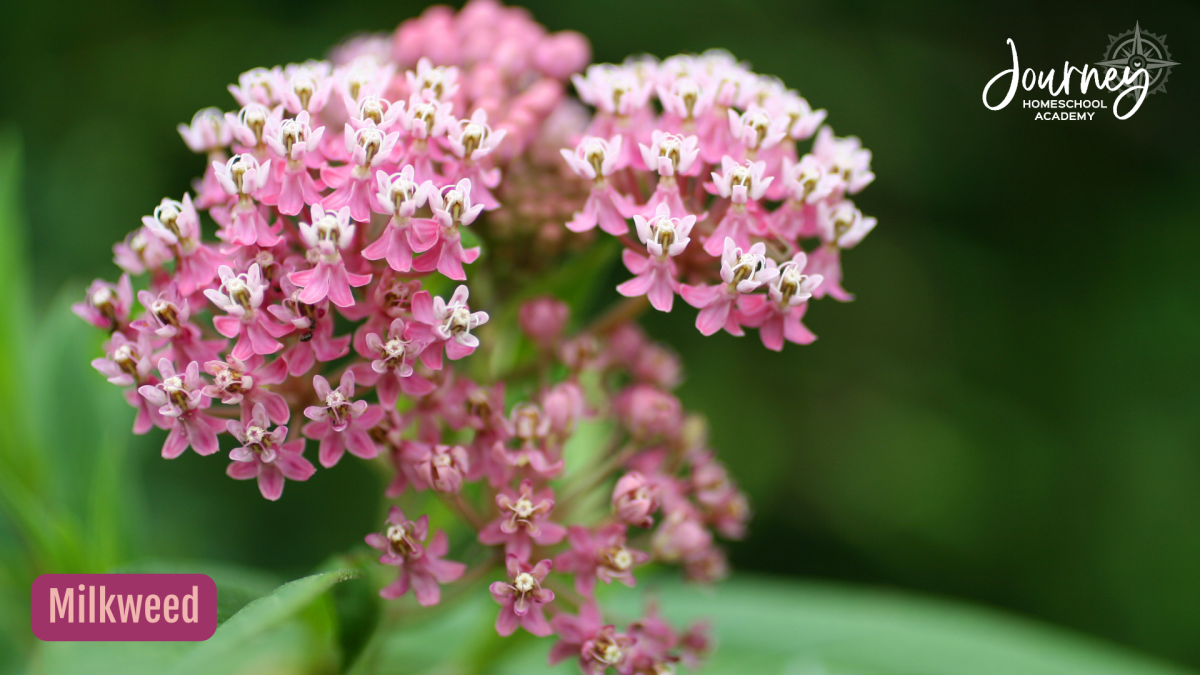
- Milkweed
- Lavender
These plants are vibrant, hardy, and easy to grow.
Add the Extras that Bring Birds Close
Brush Piles and Natural Debris
Instead of clearing every fallen stick, consider piling a few branches in a corner of your yard. Birds use brush piles for shelter, foraging, and protection from predators.
This pairs well with the feeders you learned about in our homeschool feeder guide.
Water Sources
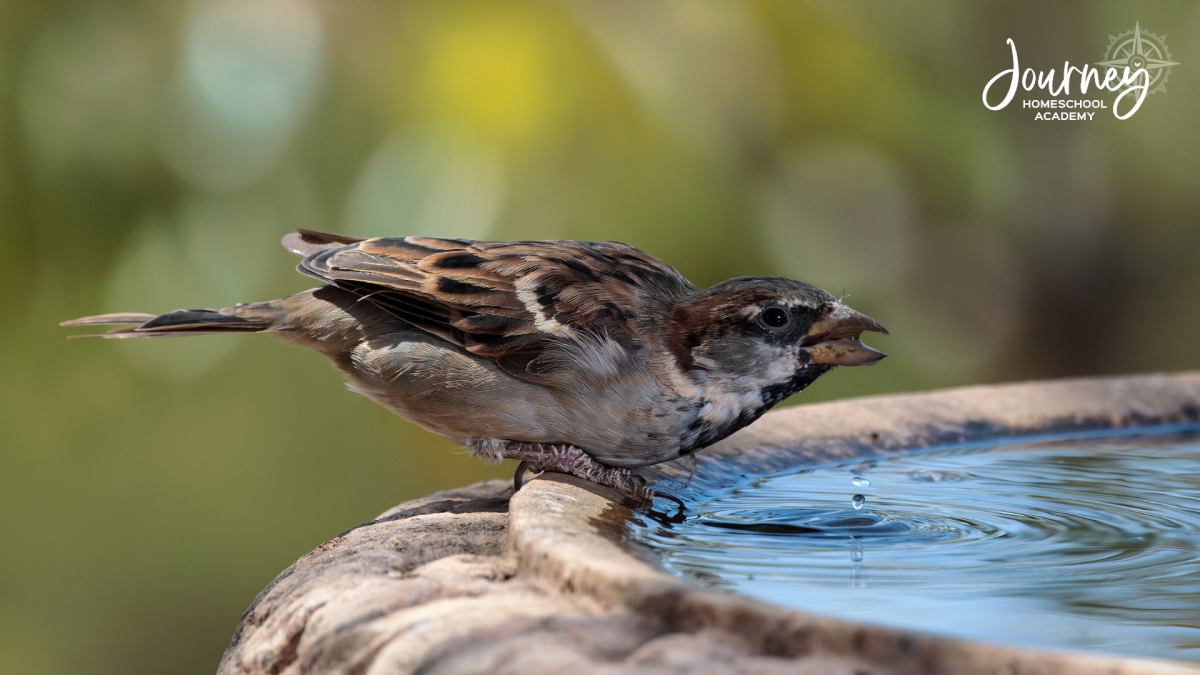
Birds need clean water for drinking and bathing. Whether you use a shallow dish, a birdbath, or a drip fountain, your earlier water setups work perfectly with your new landscaping.
Reference: Providing Water for Birds
Homeschool Activities to Bring Landscaping to Life
Simple Observation Ideas
Try adding these to your weekly rhythm:
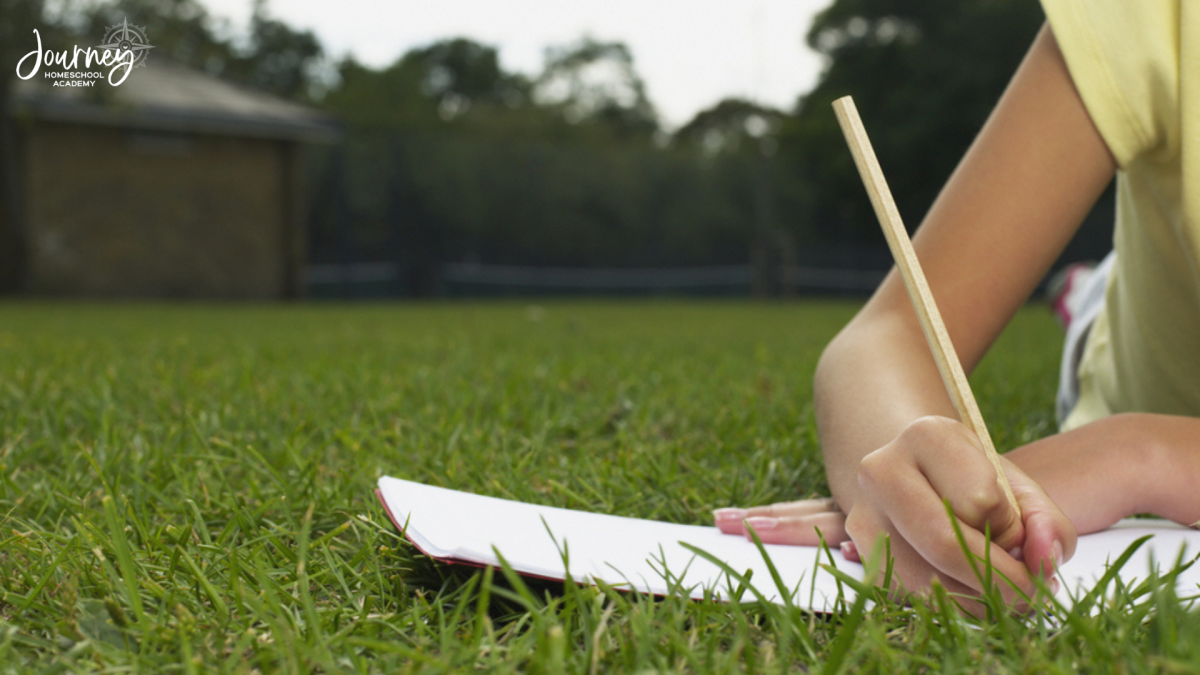
- Nature journaling
- A backyard bird tally
- Sketching favorite species
- Tracking berry ripening or blooming cycles
- Taking photos through the seasons
Connecting Landscaping to Science Learning
This is where landscaping shines. Your kids see the direct connection between plants, insects, birds, and weather patterns. They notice God’s design woven through the tiniest details. And they learn naturally, without needing every minute of the lesson planned.
Ready to Go Deeper Into Bird Studies This Year
If your kids have loved learning about the birds visiting your yard, you will not want to miss World of Birds, Journey Homeschool Academy’s brand new bird science course. It is packed with hands-on learning, guided observation, and opportunities to explore creation in meaningful ways.
The course will be available in January, and you can learn more at the World of Birds landing page.