Experience Biology Elementary
Grade Level: Elementary | Ages: 6-12
Experience Biology Elementary (Level A) combines engaging video lessons, hands-on activities, and guided assignments to help students explore the fascinating world of living things—from tiny cells and plants to the incredible diversity of animals around the globe.
Every concept is taught from a Christian worldview, helping students discover God’s wisdom and design throughout the living world.
Complete Program: $189
For your entire immediate family!
✔️ Video Lessons
✔️ Lab Assignments
✔️ Quizzes & Exams
✔️ Reading Assignments
Experience Biology Elementary in 3 Easy Steps…
WATCH ENGAGING VIDEO LESSONS
· Log into your online classroom each week and let your kids watch the engaging video lesson that will introduce them to basic biology principles. Watch together as a family, or each child can watch on their own!
ENGAGE IN FUN ACTIVITIES & ASSIGNMENTS TO MAKE SCIENCE COME ALIVE
· With each lesson you’ll be provided with hands-on activities, creative play, memory work, and more. You decide what to integrate into your lesson and what to skip. Customize the course to fit your family’s unique needs.
EXPLORE LIVING BOOKS FROM RECOMMENDED READING LISTS
· Further your children’s education and love of biology by using some (or all) of the books on the reading list. Choose from the list of living books and use them as read-alouds for the family or independent reading assignments for each of your children.
Scope & Sequence
Experience Biology Elementary (Level A) is an engaging course that introduces students to the foundational concepts of life sciences. Over the course of the year, learners will explore what it means to be alive, delving into the characteristics of living things, the structure and function of cells, and the basics of DNA. The curriculum covers the diversity of life, including plants, fungi, and animals, as well as their classification and unique traits. Students will gain insight into ecosystems and biomes, uncovering how living organisms interact with their environment. Through interactive lessons and hands-on activities, this course fosters curiosity and a deep appreciation for the natural world, making biology accessible and exciting for young learners.
Lesson 1: What Is Life?
An overview of the five characteristics of living things and how to recognize whether something is alive or not
Lesson 2: The Building Blocks of Life
The main parts of cells—the smallest units of life—as well as the differences between eukaryotes and prokaryotes
Lesson 3: The Secret Code of Life
A very basic explanation of DNA—the blueprint for making all of the proteins a cell needs
Lesson 4: Fueled Up!
How organisms need energy to grow and thrive, along with the two most basic categories of organisms: heterotrophs and autotrophs
Lesson 5: What’s in a Name?
How scientists classify and name living things
Lesson 6: Biomes Everywhere!
A peek into the ecological biomes in which organisms live: tundra, coniferous forests, deciduous forests, grasslands, and tropical rainforests
Lesson 7: Itsy Bitsy Teeny Tiny Creatures
An overview of the two prokaryotic kingdoms—archaebacteria and eubacteria—and the differences between them
Lesson 8: The Junk Drawer Kingdom
A brief look at microscopic life forms like protozoans, algae, and molds, as well as the characteristics they have in common as members of Kingdom Protista
Lesson 9: The Fungus Among Us
The characteristics of organisms in Kingdom Fungi and how they get their energy
Lesson 10: What Is a Plant?
An overview of what all plants have in common: the structures within their cells, common organs, and their source of energy
Lesson 11: The Wide World of Plants
A summary of the four main types of plants—mosses, ferns, gymnosperms, and angiosperms—and what makes them different
Lesson 12: Mean, Green, Energy-Making Machines
The structure of leaves and how photosynthesis works in plants—that is, how plants make their own energy
Lesson 13: Roots & Shoots
The structure of stems and roots and the vascular tissue inside that moves water and nutrients through the plant
Lesson 14: The Reason for Flowers
The structure of flowers in angiosperms and how pollination takes place
Lesson 15: It Begins With a Seed
The structure and growth of fruit in angiosperms and how seeds are dispersed and germinate into new plants
Lesson 16: Amazing Animals
A look at the common traits of all animals as well as the nine major phyla of animals we see in the world
Lesson 17: Silly Sponges
A quick look at the simplest of animals— the sea sponges—and what makes these creatures unique among all other animals, and exploring symmetry in animals
Lesson 18: Wiggly Worms
An overview of the three main phyla of worms, where they are found, what makes them distinct from one another, and what a parasite is
Lesson 19: Majestic Medusas & Patient Polyps
A brief look at the fascinating world of cnidarians, including jellyfish, sea
anemone, coral, and hydra, and the difference between a complete and incomplete digestive system
Lesson 20: Spiny-Skinned Savages
The structure and habits of echinoderms, including starfish, sea cucumber, sea urchins, sand dollars, and basket stars, and comparing the differences between an open and closed circulatory system
Lesson 21: Meddlesome Mollusks
A look at the common traits and body characteristics found in animals in the class of Mollusks such as clams, oysters, snails, octopuses, and squid
Lesson 22: Armored Arthropods & the Crabby Crustaceans
The common physical traits and body structures found among the phyla of animals called arthropods and a closer look at animals in the class of crustaceans
Lesson 23: Intrepid Insects & Spindly Spiders
An overview and look at the main body parts of the largest class of animals in the world—the insects—and different types of metamorphosis, including a peek into the world of the eight-legged arthropods, the arachnids
Lesson 24: The Vast World of Vertebrates
An introductions to the world of vertebrates and their unique characteristics
Lesson 25: Funky Fish
An overview of the three common classes of fish: the jawless fish, cartilaginous fish, and bony fish
Lesson 26: Amazing Amphibians
A look at some of the common structures and unique qualities of amphibians along with a discussion of ectothermic and endothermic animals
Lesson 27: Resplendent Reptiles
An overview of the common traits and habits of reptiles along with a look at a curious habit called hibernation
Lesson 28: Blissful Birds
A summary of the traits seen among the class called Aves—otherwise known as the birds—and their strange custom of hibernation
Lesson 29: Marvelous Mammals
A broad overview of the traits all species of mammals have in common
Lesson 30: Mini Mammals
A look at how the three categories of mammals begin their life in the womb
Full-year course: $189
· Pay in full or in 3 monthly installments.
· Educational Savings Accounts (ESA) available in many states. Learn more.
Trusted by more than 18,000 homeschool families worldwide
See why so many parents choose Journey Homeschool Academy for hands-on, faith-based science.
I wanted to find a program that could be done without too much involvement from me since I was pregnant with my fifth child.
After watching the sample video, I knew I wanted to sign up for the course! We loved the videos and didn’t have to take any break from science after the baby arrived. Experience Biology Elementary is packed with great content, is fun and engaging, presented with a Biblical worldview — and you have lifetime access!
This is by far the best elementary biology program out there.
I’ve always been nervous about starting a new curriculum — would it be worth the money? Would it be well rounded and fit with our homeschool style?
I loved that Experience Biology Elementary was planned out and done for me — it was click and go. It was filled with rich content, could be used with a range of ages, and was taught from a trustworthy Christian worldview.
I needed a science program for my 14 year old son who is profoundly dsylexic — something that would hold his interest, but wouldn’t overwhelm him (or me).
I was looking for a program we could enjoy together. Experience Biology Elementary has become just that — our “fun” subject! As a homeschool parent with a child with a learning challenge, your programs have been a great blessing to us
This course has taken work off my plate and has been far more engaging than the science books we’ve used in the past.
My first grader retains information because the videos are engaging and my fifth grader has learned much more than previous courses. The great thing about this course is it’s simplicity — don’t overcomplicate things. My kids love this course!
We’ve stayed away from teaching subjects via computer…
But your curriculum was a perfect balance! A short, engaging video that was packed with great information and everything else we could do off screen. I loved all of the other resources you included that we could use as we chose on our own schedule.
I was looking for a science curriculum my student could navigate on his own and do most of the learning independently…
Cultivated self-learners has always been a goal in our homeschool. Experience biology fit that bill perfectly! We loved that Experience Biology elementary was not only engaging, but thorough enough that it piqued my son's interest and sent him seeking for more information. Thank you for creating such a stellar science curriculum!
You’ve got questions… we’ve got answers
What is covered in the course?
Great question! Check out the Elementary Biology Scope and Sequence here for an overview of the topics we cover in this course.
What additional books or supplies will I need for this course?
We'll provide you with a reading list of living books that you can purchase or borrow from your local library. You'll also have an activity you can complete with each lesson, but we've tried to ensure these activities use supplies that are typically found around the house or those that are easily accessible.
Please note: The books and activities are completely optional. The program is completely customizable and you can do as much or as little as you like!
Some parents choose to use the included PDF downloads of the lesson cards and student adventure guide. However, if you'd prefer the full-color printed versions, you may purchase them separately.
When will I get access to the course?
You’ll have immediate access to the course as soon as you register!
How long will I have access to this course?
You'll have lifetime access to the course. This means you can pace your kids through the course any way you want or go back and use the course with more kids later on.
Do I need to enroll each of my children separately?
No. When you purchase Experience Biology Level A you may use the course with all the children in your immediate family.
Do you offer options to use this in a co-op?
Yes, however the course is set up slightly different to accommodate groups going through the course together. Learn more about our co-op options here.
Can my public or private school child enroll in the course?
Of course! While it certainly is a great course for homeschoolers, this course is great for any student who wants to learn more about astronomy whether they’re homeschooled, public schooled, or private schooled. You have the flexibility to complete the course whenever you’d like!
Can I take this course if I live outside the United States?
You sure can! We’ve made sure to make the lessons applicable to those worldwide.
What ages or grades is this course appropriate for?
The class is geared towards kids 6-11 years of age, but younger students may also enjoy listening in on the course. For high school students, we recommend our Upper Level Experience Biology program.
As the parent, you are the best person to determine if this class is appropriate for your student. Click on “Preview” above to get a taste for the course.
What is your refund policy?
We have a fabulous fit promise! For our elementary courses, that means you have 30 days from when you purchase to review the course. If it's not a fabulous fit for your family — simply email us and we'll give you a full refund.
Can I pay for this course with my Educational Savings Account?
We are an approved vendor with several ESAs and are continuing to add to the list all the time! We’re happy to provide you with invoices or other information you need to submit to your ESA. You can see all the ESAs we’re currently approved vendors with and/or submit a request for us to apply to the ESA in your state.
Which class is right for my child: the elementary or the upper level course?
The elementary-level course is designed for students in the elementary grades.
• Video lessons are shorter than the upper-level videos and taught using simpler language for younger viewers.
• The concepts taught in the elementary course are more basic, whereas the level B course includes the basic concepts and goes much deeper.
• Activities in the elementary course include more hands-on creative projects whereas the level B course has more involved labs that require a greater amount of critical thinking skills.
• Reading assignments for the elementary course are living books that can be used as read-alouds or assigned as independent reading, geared towards students ages 6-11. The recommended reading for the level B course is a textbook geared more towards teens.
• Supplemental activities for the elementary course include things like copy work and memory cards, suitable for elementary level students.
Does my child have to view the course videos on specific days or times?
Nope! Everything is recorded and will be available for you to watch on your time schedule.
Do you teach about creation or evolution in this course?
While this class acknowledges God as the creator of the universe, it does not get into concepts about the age of the universe or scientific theories about the beginning of the universe.
Understanding the Fabulous Fit Promise
We have a Fabulous Fit Promise. We want this course to be a fabulous fit for your family. Based on our parent and student feedback, we think you will be delighted with the course.
However, we offer a 100% money-back, happiness guarantee. For our elementary courses, that means you have 30 days from when you purchase to review the course. If it’s not a great fit for your family — let us know and we’ll give you a full refund.
Our Fabulous Fit Promise: 100% Money Back, Risk Free
See inside the parent dashboard
Curious what the course looks like once you’re enrolled?
This short tour walks you through the parent dashboard so you can see how lessons, downloads, assignments, and quizzes are organized.
What's Included?

30 Exciting Video Lessons
Effortlessly immerse your child in the world of physical science. You take a breather while your child goes on a riveting educational adventure.
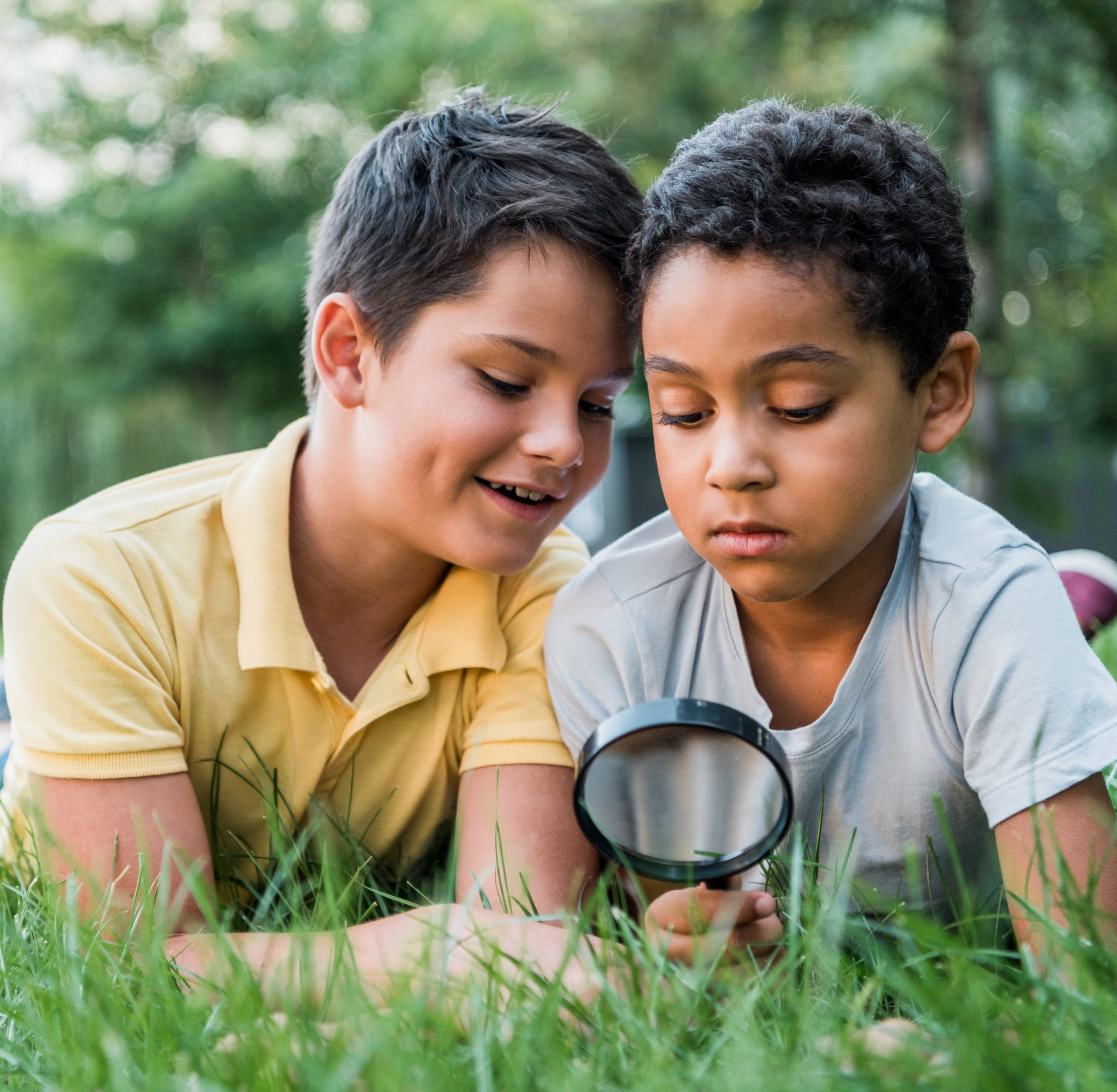
Dozens of Hands-On Activities
These easy projects make science fun and tangible, using supplies you probably have at home or that are quick and easy to find.
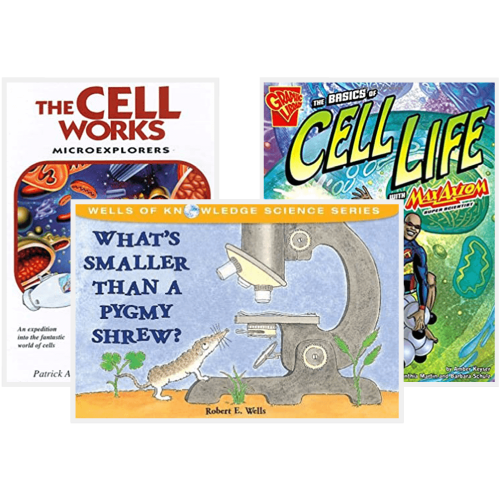
Recommended Reading
Extend your child’s learning with living books curated for their ability to fascinate and educate, perfect for read-aloud and independent reading.
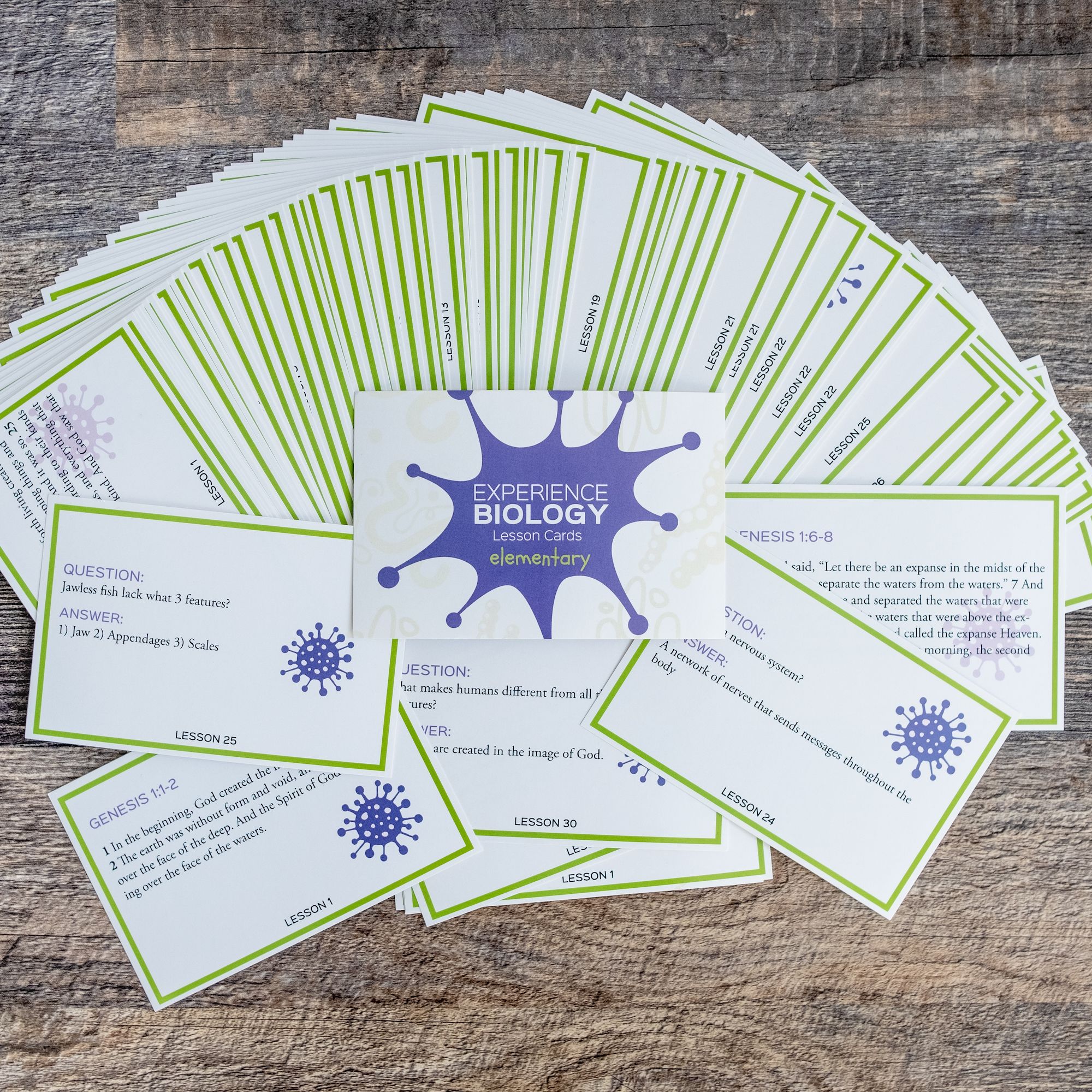
Fun Memory Work
Your child will love sharing all the amazing science facts they’re learning all year long with the convenient course memory videos and cards.

Engaging Copywork
Each lesson includes easy-to-use copy activities that reinforce science concepts while improving handwriting.
Still deciding? Explore your options.
Choose the course that fits your student best.
Explore the incredible universe around us, from the moon and stars to planets, galaxies, and beyond.
Discover how things move, change, and interact through simple hands-on experiments.